- +91-9075650747
- sales@oxychem.com
- Dehu-Alandi Road,Talwade, Pune



Product Single
Water Treatment Plant
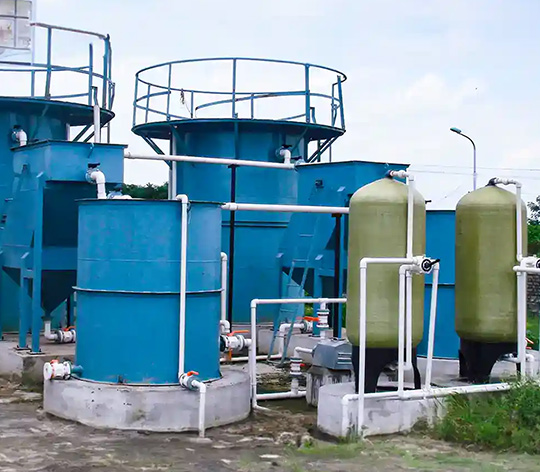
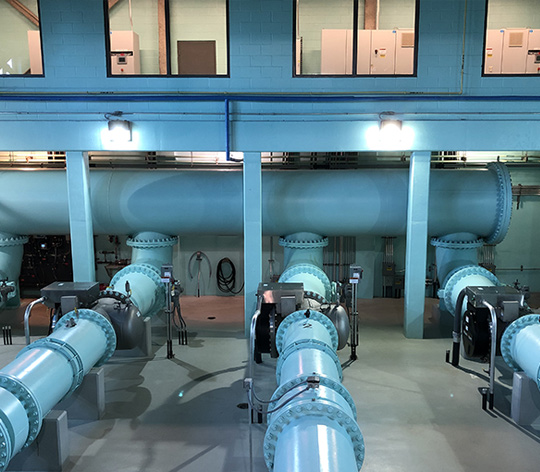
Water is an essential resource for life, and ensuring its cleanliness is vital for public health, agriculture, and industry. In Portugal, water treatment plants play a pivotal role in delivering safe and potable water to households and businesses. Understanding the steps involved in a water treatment plant can help us appreciate the importance of these facilities and the role of advanced technologies in ensuring water quality.
These water treatment plants treat water that has been contaminated by human activities. Wastewater from populated areas or industrial sectors can be treated with a water treatment plant to remove pollutants. Water should be treated this way before returning the water to the waterbodies.
Types of Sewage Treatment Plants- 1) Mechanical Treatment Plants
- 2) Biological Treatment Plants
- 3) Chemical Treatment Plants
- 4) Hybrid Treatment Plants (combining multiple types)
STPs mainly focus on treating domestic wastewater from toilets, sinks, showers, and other household sources. These plants deal mainly with human waste and other biological contaminants.
Types of Sewage Treatment Plants
- 1) Conventional Activated Sludge (CAS) Plants
- 2) Trickling Filter (TF) Plants
- 3) Rotating Biological Contactor (RBC) Plants
- 4) Membrane Bioreactor (MBR) Plants